Starch Recovery Systems
Reducing freshwater usage and lowering wastewater treatment costs go hand in hand with efficient starch recovery. SiccaDania’s advanced recovery systems are designed to help processors across the Americas achieve both.
Maximize yield. Minimize waste.
SiccaDania provides a wide range of screening solutions for both wet and dry processing applications. Our portfolio includes safety screens, pre-screening units, classification screens, and equipment for general separation.
Across the starch processing industry in North and South America, there is an increasing focus on reducing water consumption and managing wastewater more efficiently. By separating starch from cutting water and flume water, processors can significantly extend water reuse cycles and reduce overall treatment costs.
Recovered starch also represents a valuable byproduct that can be reused or sold, adding an additional revenue stream.
By removing solids, especially starch, from process water, facilities can reuse water directly in production, resulting in measurable operational and environmental benefits:
- Reduced freshwater demand
- Lower wastewater load (COD/BOD)
- No increase in overall water consumption
- Shorter cleaning cycles for processing lines
- Seamless integration into existing systems
- Fully automated, continuous operation
- Durable, hygienic construction aligned with food industry standards
Building an efficient starch recovery process
Process Overview
With sustainability and full resource utilization becoming top priorities across the Americas, processing side streams efficiently is more important than ever. SiccaDania delivers proven starch recovery solutions tailored for potato processing facilities.
During the production of products like French fries, chips, and potato flakes, potatoes are processed through hydro-cutting systems equipped with cutting grids or knives. Depending on the desired product, potatoes may be cut into fries, wedges, or slices.
This cutting process releases starch, fibers, and small potato particles into the process water. The cut product is then washed to remove residual starch and debris.
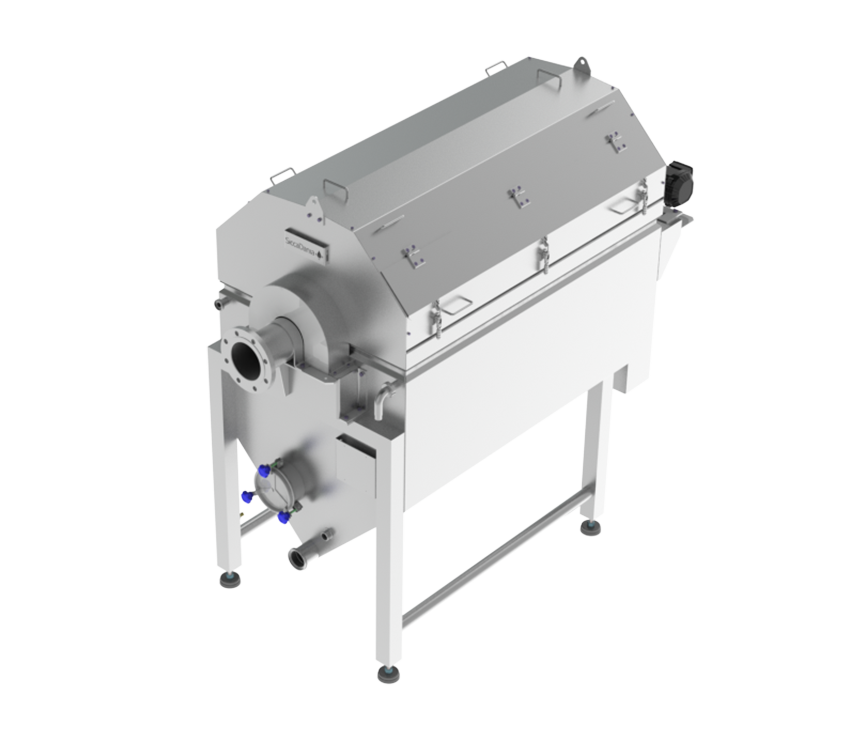
The resulting mixture of water, starch, and solids flows into a cutting tank, where the SiccaDania Recovery System is integrated. From there, the liquid is pumped into a refining sieve that removes coarse particles. These solids can often be repurposed, for example as animal feed.
Next, the starch-rich water is directed to a hydrocyclone system. Using centrifugal force, the hydrocyclones separate starch from the water. The clarified water, now largely free of starch, can be recirculated back into the production line for cutting, washing, or de-stoning operations.
The concentrated starch slurry then moves to the dewatering stage.
Starch dewatering options
SiccaDania offers flexible solutions depending on plant size and operational setup:
- Container Dewatering — Suitable when a starch processor is located nearby. Due to the moisture content, this option depends on short transport times.
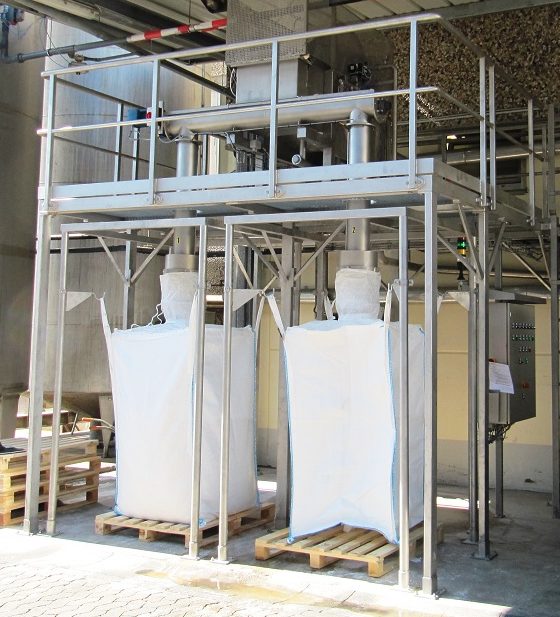
- Vacuum Filtration — The most common solution in larger facilities. A screw conveyor beneath the vacuum filter transfers starch into a double big bag filling station.
- Drainage Big Bags — A practical option for smaller processing plants, allowing direct dewatering into specially designed big bags.
Operational benefits
Implementing a starch recovery system delivers clear advantages:
- Significant reduction in COD load, lowering wastewater treatment costs
- Decreased freshwater consumption through water reuse
- Improved sustainability and resource efficiency
- Generation of a valuable starch byproduct for resale or reuse
Custom design for American operations
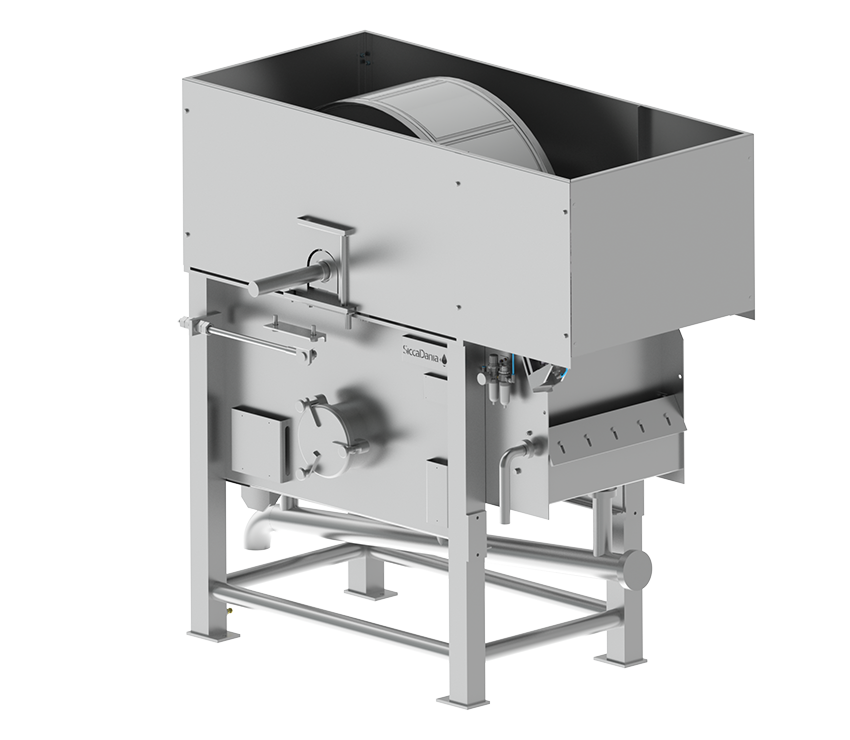
SiccaDania systems are engineered to match the specific needs of each facility, whether in the U.S., Canada, or Latin America. We offer fully customized solutions based on process water volumes and plant requirements.
Depending on your setup, we can deliver complete turnkey systems or integrate individual components into existing production lines. All systems are designed for automatic operation, self-cleaning functionality, and minimal maintenance, ensuring reliable, long-term performance.